14 Jan 2026
Biomedicine prize awarded to Professor Anja Groth for groundbreaking discoveries in epigenetic cell memory
The Novo Nordisk Foundation has awarded the Jacobæus Prize for Biomedicine 2025 to Professor Anja Groth, recognising her pioneering research that has transformed our understanding of how cells inherit and preserve identity across generations.
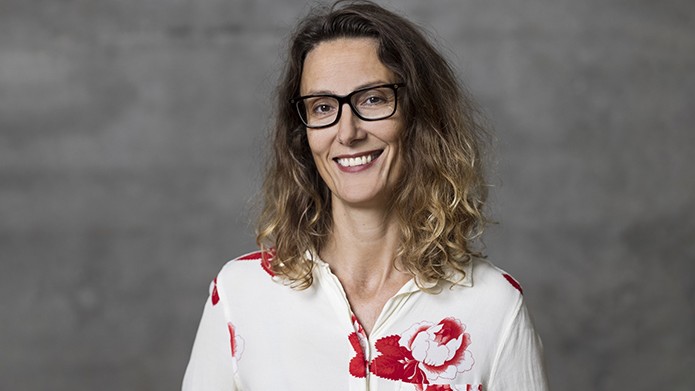
Professor Groth, who recently relocated her research group to the Danish Cancer Institute from the Novo Nordisk Foundation Center for Protein Research, has pioneered the field of chromatin replication, a fundamental cellular process that helps explain how cells “remember” their identity when they divide. This memory is important for tissues and organs in the body to function properly throughout life.
When cells divide, they don’t just copy their DNA but also pass on important instructions known as epigenetic information that tells the new cells how to behave. Through a series of influential studies, Groth’s team discovered that the machinery responsible for copying DNA also helps pass on these instructions, ensuring that new cells keep the right identity and function.
Her group also found that these instructions are not fixed but can change during cell division. This finding helps to explain how cells can adapt and repair tissues, but also why failures in these processes can increase the risk of disease, including cancer.
Beyond her scientific discoveries, Groth is known for developing new research tools, mentoring young scientists, and creating a supportive and creative environment for research.
“Professor Groth’s paradigm-shifting contributions to basic biomedicine, her scientific leadership within and beyond her research domain, and the inclusive engagement and positive outlook she offers to the Danish and international science community, collectively epitomize the spirit and values of the Jacobæus Prize,” says Professor Savvas Savvides, Chair of the Novo Nordisk Foundation Committee for Bioscience and Basic Biomedicine, which selects the prize recipient based on external nominations.
The prize includes a research grant that will support further studies by Groth and her team into how fundamental biological processes contribute to long-term tissue health, including their influence on ageing and the body’s ability to maintain and repair itself.
“I am deeply honored to receive the Jacobæus Prize for Biomedicine,” says Anja Groth. “Our discoveries on how epigenetic information is inherited across cell generations are the result of a major team effort, driven by many ambitious and risk-taking young researchers, and I am proud to accept this award also on their behalf.
“The recognition by the NNF and the prize committee of the broad biomedical significance of our work is very important to me and provides strong motivation to push the boundaries of our knowledge even further.”
Anja Groth is Director of Center for Epigenetic Cell Memory at the Danish Cancer Institute and Professor at the Faculty of Health and Medical Science, University of Copenhagen.
About the prize
The Jacobæus Prize, established in 1939, is the Foundation’s oldest prize. It has been renewed in 2025 as the Novo Nordisk Foundation Jacobæus Prize for Biomedicine, awarded to outstanding, internationally recognised researchers affiliated with Danish non-profit research institutions who have made major contributions to basic biomedical science. The total prize budget is DKK 1.7 million, comprising a research grant, support for a scientific symposium, and a personal award.
“Virtually all modern medicines have been developed based on knowledge and insights derived from basic biomedical research,” says Savvides. “The Jacobæus Prize provides a fittingly prestigious and visible podium for highlighting the importance of basic biomedical research in Denmark and its critical role in creating the foundations for translational research to combat human disease.”
Nominations for the 2026 prize will open in the early spring. Individual researchers, research institutions and research funding agencies in Denmark may each nominate one candidate per year. Self-nominations are not accepted.