31 Mar 2026
Leading researcher honoured with Nordic prize for uncovering how gene activity drives type 2 diabetes
Professor Charlotte Ling of Lund University in Sweden has fundamentally changed the scientific understanding of type 2 diabetes by showing that the disease arises through an interplay between genes and environmental influences that alter which genes are active. She receives the Novo Nordisk Foundation Nordic Diabetes Prize 2026 in recognition of her pioneering work.
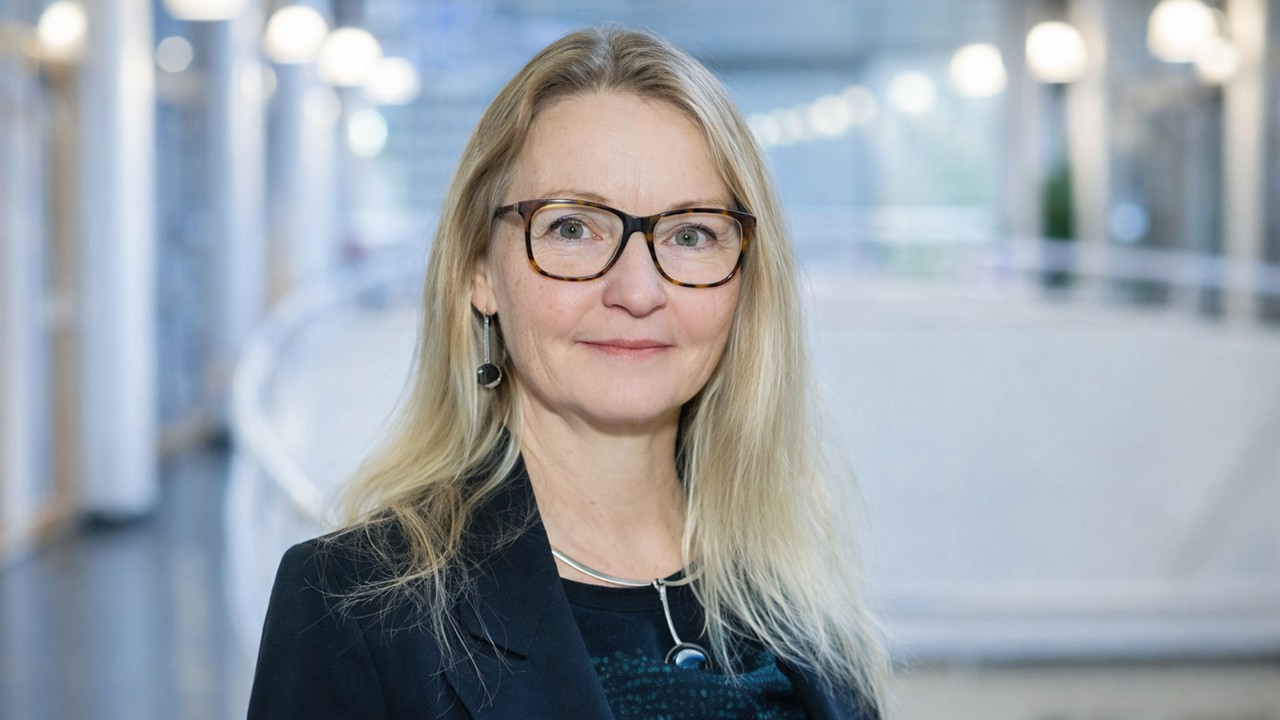
For years, type 2 diabetes was explained as an interplay between genes and environment, but the precise nature of the relationship was poorly understood. Now, this understanding has advanced significantly, thanks in large part to Professor of Diabetes and Epigenetics Charlotte Ling and her research group.
Their studies have revealed how lifestyle and environmental factors such as diet, exercise, age, and obesity alter gene activity in organs and tissues and thereby affect disease development. This is the field known as epigenetics: how environmental factors and influences throughout life affect gene activity without changing the DNA sequence itself.
Biomarkers may point to better treatment
It is for this work that Ling receives the Nordic Diabetes Prize 2026. The prize is awarded annually by the Novo Nordisk Foundation and the Scandinavian Society for the Study of Diabetes (SSSD) to a Nordic researcher who has made an outstanding contribution to diabetes research or treatment.
“It is a great pleasure for SSSD to congratulate Charlotte and her research environment on the Novo Nordisk Foundation Nordic Diabetes Prize 2026,” says Elisabeth Qvigstad, Chair of the SSSD.
Qvigstad highlights Ling’s early and important studies of the association between epigenetic modifications and insulin secretion related to type 2 diabetes.
“Charlotte Ling has been a pioneer in the field of epigenetics. Her current research shows how epigenetics may pave the way for more targeted treatment of type 2 diabetes through blood-based biomarkers and models for, among other things, treatment response and the risk of complications.”
‘A fascinating journey’
Over the course of her career, Ling has led several important discoveries. An early breakthrough came when her group was among the first to identify epigenetic changes in the insulin-producing cells of people with type 2 diabetes. This provided evidence that epigenetic mechanisms play a role in disease development.
Ling later expanded her research into the liver, skeletal muscle, and adipose tissue, where she showed that lifestyle and environmental factors such as diet, exercise, age and obesity can alter the epigenetic profile. This made it possible to explain more precisely how these factors interact in disease development.
A third line of research points towards clinical application. Today, Ling and her research group are working on blood-based epigenetic biomarkers that may eventually help predict treatment response and the risk of diabetes-related complications, thus enabling more targeted treatment.
Ling has also built a centre of excellence for epigenetic diabetes research at Lund University, where her group’s more recent findings suggest that epigenetic signs of type 2 diabetes may be detectable even before the disease develops.
For Ling, the work behind the prize has been “a fascinating journey”, exploring uncharted research areas and putting new pieces into the diabetes puzzle.
“I am very honoured to receive this award. It is a recognition of the epigenetics research my group has carried out over the past decades,” Ling says.
She explains that researchers can now map changes in gene activity much more broadly than before, in specific cell types, and even change selected patterns in the lab to test their role in disease development.
“By identifying blood-based biomarkers that can predict both treatment response and the risk of complications in people newly diagnosed with type 2 diabetes, we are getting closer to using the research directly in the clinic for the benefit of patients.”
About the Prize
The Novo Nordisk Foundation Nordic Diabetes Prize was established in 1979 and is awarded annually by the Foundation and SSSD. The recipient is selected by a committee comprising members of the Foundation’s Committee on Endocrinology and Metabolism and the Chair of SSSD.
Until 2024, the prize was known as the Novo Nordisk Foundation Lecture Prize. It is accompanied by DKK 500,000 for research and a personal award of DKK 100,000. As the 2026 prize recipient, Ling will give a lecture at the SSSD annual meeting in Gävle, Sweden, in May.